 Skip to content
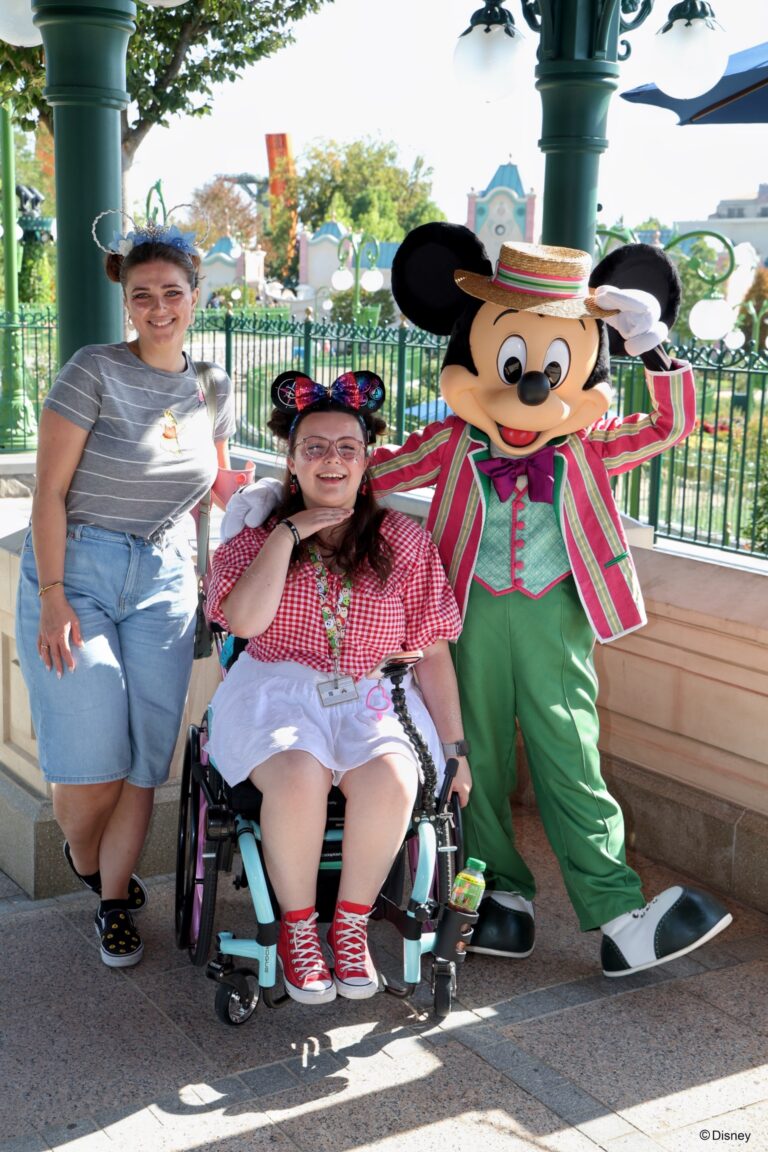
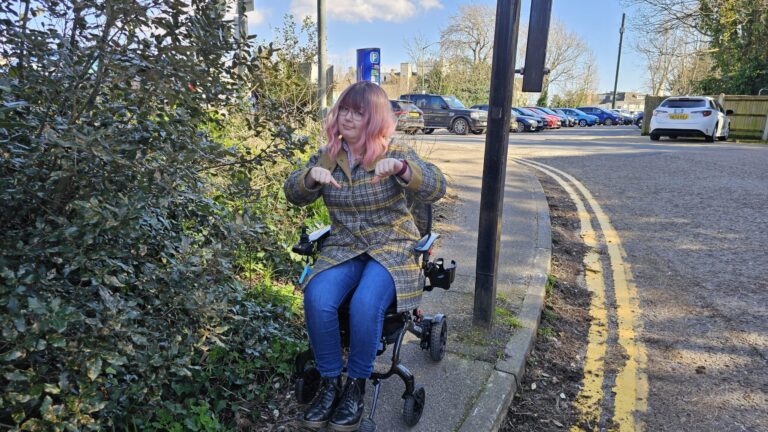
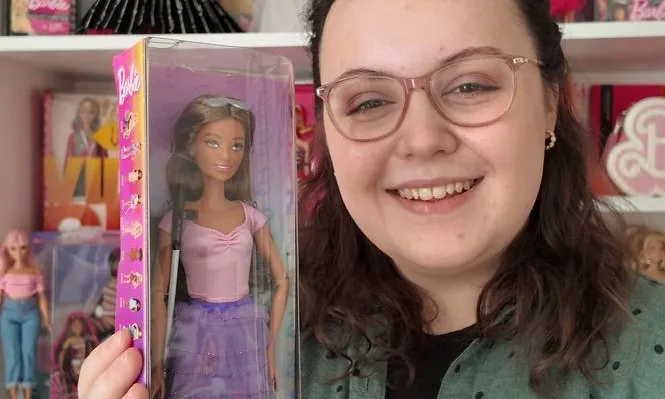
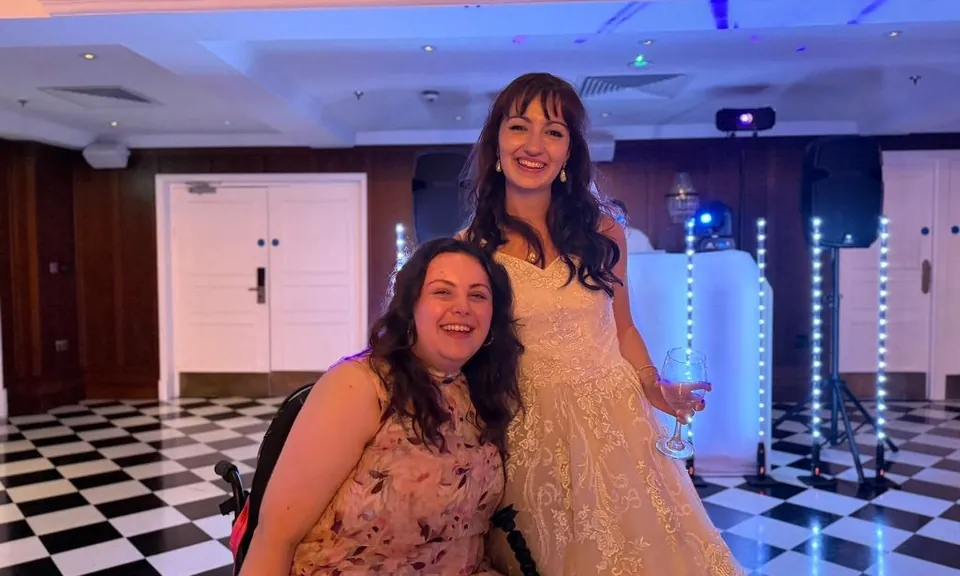
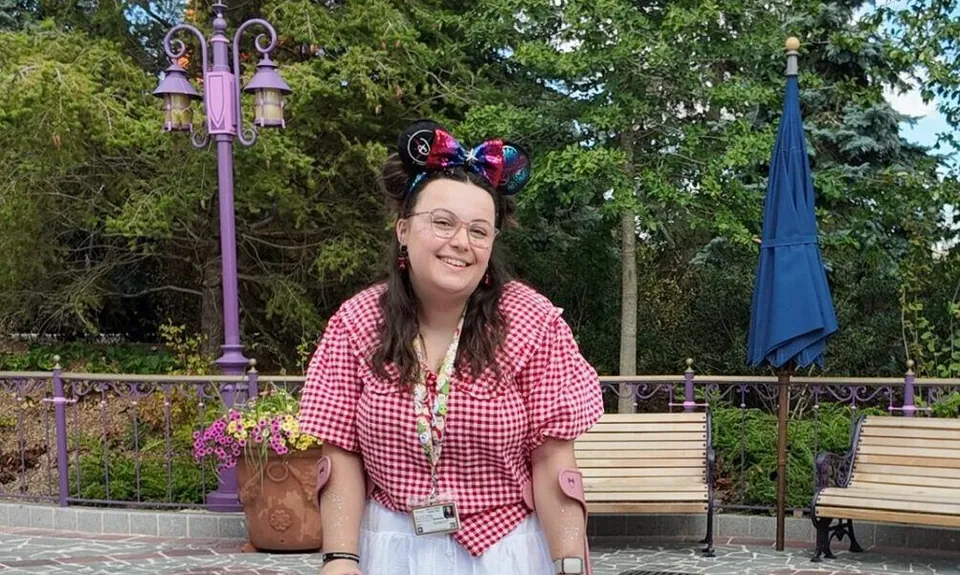
Packing for Disneyland Paris as a disabled person is a slightly different experience to packing for your average holiday because alongside deciding which Mickey ears work with which outfit, there’s the minor matter of packing your medication, mobility equipment, emergency supplies and approximately half a pharmacy.
I’ve now been to Disneyland Paris twice, and I’ve definitely learnt that packing well can make an enormous difference to how much energy I have left once I actually arrive.
I’m somebody who likes the build-up to Disney almost as much as the trip itself, so when I have the luxury of planning a few months ahead, I absolutely do. Before my second visit I decorated my wheelchair, made some of my own accessories, planned my outfits and generally turned preparing for Disney into part of the fun rather than thinking about it purely as logistics.
Of course, I also desperately want to become the sort of person who owns a Disneyland annual Pass and says, “Fancy Disney next week?” before casually throwing everything into a suitcase, but we’re not there quite yet.
Having disabilities doesn’t mean packing for Disney has to become entirely medical either. My suitcase contains stoma supplies and emergency medication alongside homemade Disney clothes, Mickey ears and an arguably unnecessary amount of hypoallergenic body glitter. That’s disabled life, really. Practical and whimsical existing side by side.
So, after two trips, here’s what I’d put on my ultimate Disneyland Paris packing list for disabled travellers.
Planning your trip generally? Read my Disneyland Paris Accessibility as a Disabled Visitor: What I Wish I’d Known Before I Went guide, and if you’re planning to use Disney’s accessibility provisions, I’ve also written about my experience using the Disneyland Paris Priority Card across two visits.
First things first: be realistic
Pack for your actual body and disabilities, rather than the imaginary Disney-holiday version of you who will apparently have unlimited energy, require less medication, become a morning person, tolerate uncomfortable shoes and merrily spend fourteen hours wandering around the parks without needing a rest.
Unfortunately, Disneyland Paris doesn’t temporarily cure chronic illness. I hate to disappoint, but I have repeatedly tested this theory.
Think about what helps you at home on a difficult day, what your body might need after hours of activity, what equipment you rely on and which small comforts make you feel more secure when you’re away from your usual environment.
I split my packing between the bulk of my medical supplies that stayed safely at the hotel and a smaller emergency kit that travelled into the parks with me each day. That way I was prepared without needing my wheelchair to resemble a mobile branch of my local pharmacy.
Think about how you’re physically carrying everything
On my most recent trip, I travelled with my wheelchair, a bag underneath my seat, a small backpack on the back and a suitcase positioned so that I could manoeuvre everything myself.
It’s quite important to consider this before you start merrily filling four different bags because ultimately you have to get them from England to France.
This is one thing generic packing lists don’t always consider. Your luggage allowance isn’t necessarily the same thing as your physical carrying capacity.
You might technically be allowed another bag, but if attaching it to your wheelchair means you can no longer push comfortably, it’s not particularly useful.
I always overpack my medical supplies, and I intend to continue doing so
There are places where I believe in packing lightly. Medication isn’t one of them.
For my stoma, I generally travel with approximately twice the number of supplies I would expect to need. With my prescribed hydrocortisone, I personally carry considerably more than I’m likely to use because my own treatment requirements can vary when I’m unwell, and I make sure I have a buffer of my other regular prescribed medication too.
That’s my individual medical setup rather than something I’d recommend copying directly. Your own doctor, specialist team should advise you on medication and emergency supplies relevant to your condition.
My philosophy is simply that I’d much rather come home with medication and medical supplies I didn’t need than find myself in another country without something important.
I don’t carry the whole lot around Disney every day, though. The main supply stays at the hotel while I create a smaller park kit containing what I could realistically need during one day.
What goes into my Disney emergency medical kit?
My emergency kit is deliberately small enough to fit inside my park setup without becoming a burden.
For me, that can include a small amount of my regular medication and prescribed emergency medications, pain relief, Buscopan, my prescribed emergency hydrocortisone, EpiPens and enough stoma equipment to deal with an unexpected bag change.
I also have electrolytes available because hydration is particularly important for me, and depending on the weather and how my body is behaving that morning, I might put an entire spare outfit underneath my wheelchair.
One thing I particularly recommend for people with complicated medical histories is carrying a simple medical summary in digital format (I.e. utilise the ‘medical ID tab if you’re an Apple iphone user) and a physical copy as a backup. Mine explains my conditions, medication and important emergency information in both English and French. I keep it underneath my wheelchair and, crucially, the person travelling with me knows exactly where it is.
We also make sure we know the important medical information about each other. If something happens to me, my carer shouldn’t have to suddenly remember every condition, medication and allergy I’ve ever mentioned while also managing an emergency.
What I pack for Disneyland Paris with a stoma
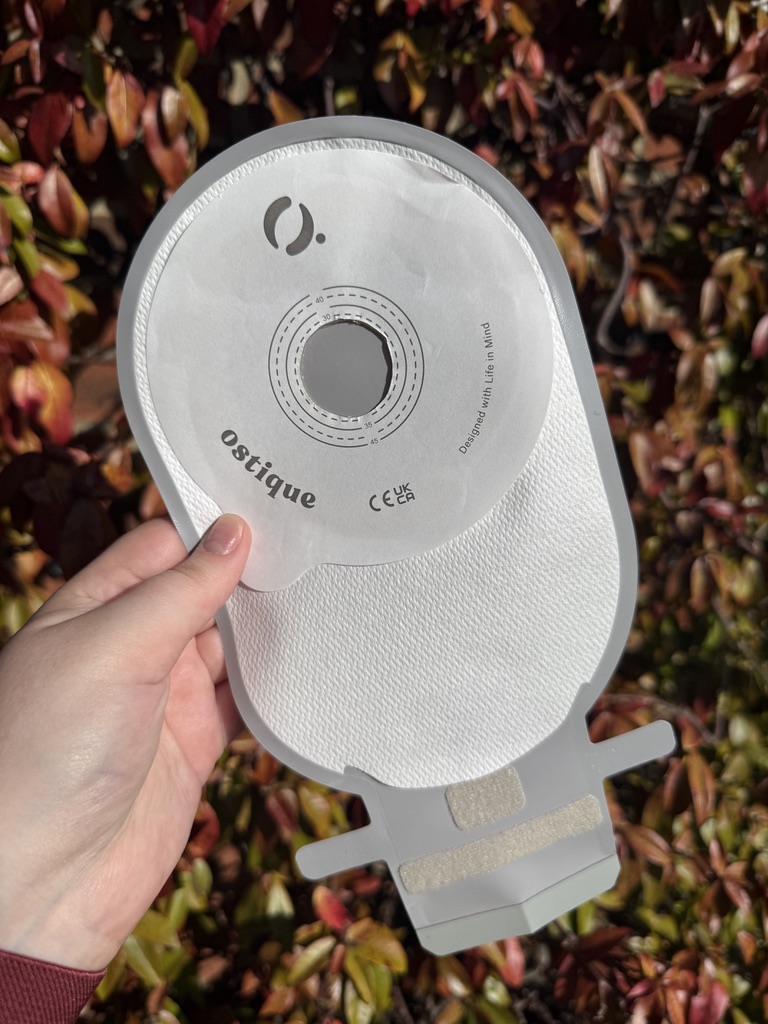
My everyday Disneyland Paris stoma kit is actually reasonably small now.
I tend to put everything into a little makeup bag containing approximately:
- Two spare stoma bags
- Two spare mucus fistula bags where needed
- Four barrier rings
- Dry wipes
- Adhesive remover spray
- Wet wipes
- Disposal bags
That gives me enough to deal with the realistic scenarios I’m likely to encounter during a park day without hauling my entire supply around with me. The bulk stays back at the hotel and worst case, I’d pop back if I had to.
Hot weather can affect stoma products differently
This is something I learnt during my first trip. I wasn’t particularly experienced with managing my stoma products in hot and humid conditions and found that the adhesive around my bags could begin lifting more than I was used to.
One product I discovered as a result was Coloplast Brava Elastic Tape, sometimes affectionately described as “banana strips” because of their curved shape. They provide additional support around the edges of my appliance and were incredibly reassuring when I was getting used to how my products behaved in warmer conditions.
Something particularly useful if you’re curious about trying them (not an Ad) is that Coloplast offers samples of its stoma-care products, so speak to Coloplast or your stoma nurse before travelling about whether an appropriate sample could be useful for your holiday. If you try them and they work well for your individual needs, you can then discuss with your stoma team whether they’re suitable to be included as part of your ongoing prescription.
By my second summer Disney visit, I didn’t actually need the extra strips because I’d learnt considerably more about managing my own stoma in warm weather. I was particularly careful about making sure my skin was completely dry before applying a new appliance, and having good air conditioning in the hotel room made changes considerably easier for me. The longer you have a stoma, the more tricks you learn!
Give your wheelchair an MOT before Disney
Your wheelchair is coming to Disney too, and frankly it deserves as much pre-holiday attention as you do.
This is actually something I learnt from my friends at Access Your Life, who were also the people who originally got me into Disneyland Paris in the first place, so I have a whole lot to thank them for.
Before travelling, they taught me to think about giving my wheelchair a bit of a pre-holiday MOT rather than simply assuming everything would continue working perfectly because it was fine yesterday. When you consider how much distance you’re likely to cover at Disneyland Paris, particularly if you’re using a powered add-on, it’s a really sensible habit to get into.
Before leaving the UK, I went over mine properly. I checked the nuts and bolts were tight, made sure everything was operating as expected and had my powered add-on serviced so I knew I was starting the trip with my mobility equipment in the best condition possible.
If you’re not confident checking or maintaining your own wheelchair, Access Your Life are a great team to speak to about caring for your mobility equipment and understanding what might need checking before a big trip. You can find their website at accessyourlife.co.uk.
Disneyland Paris is enormous and the last thing I want is to discover a problem after several days of subjecting my mobility equipment to heat, long distances and crowds.
I brought the charger for my powered add-on and kept it underneath my wheelchair. I actually attached my EU plug adaptor directly to the charger before leaving the UK because that removed the possibility of arriving in France with the charger and discovering the extremely important two-pin-shaped flaw in my plan. I did have an incident one day, where the heat meant that it ran down quicker than it should’ve, and I ended up recharging at one of the Disney restaurants (they were amazing about this).
I also carried the Allen keys supplied with my wheelchair so that I had some ability to tighten things if needed. My tyres don’t require much maintenance in the same way as some wheelchairs, but if yours need a pump, spare inner tube or puncture equipment, that’s another thing to think about before you go.
I also made sure I started with a clean cushion. After several very warm Disney days you’re probably going to want to give that another wash when you get home.
Very glamorous, this disabled Disney lifestyle.
My favourite wheelchair accessories for Disneyland Paris
A few bits attached to my wheelchair genuinely transformed the experience.
My flexible phone holder was probably one of my favourites because it allowed me to keep my phone directly in front of me while moving around the parks.
The Disneyland Paris app contains the map, attraction information, queue times and various booking features, so having my phone visible effectively turned my wheelchair into a little Disney command centre.
A cup holder was also extremely useful because pushing a wheelchair while simultaneously holding a drink isn’t a particularly successful combination. Mine is a baby pushchair cup holder, that I adapted to fit my frame.
My LapStacker helped me secure things on my lap, while the pouch underneath my chair inevitably became home to whatever random objects I’d accumulated throughout the day.
The important thing is to work out where things are going before your trip.
Disney is not the ideal environment to discover you can’t reach your must-haves easily.
What I keep within arm’s reach at Disneyland Paris
There are a few things it’s good to keep to hand. My phone attached in front of me, my drink was in the cup holder and my Priority Card and PhotoPass went onto a lanyard around my neck.
That lanyard is potentially the least glamorous item on my packing list and one of the things I would now never do Disney without now. You’re going to show your Priority Card repeatedly throughout the day. Having it somewhere immediately visible means you don’t spend half your holiday digging through a bag looking for it.
Medication I was likely to need was positioned towards the front of my under-chair pouch so I could grab it quickly – whilst my emergency stoma kit, power bank and other less regularly needed items could then stay in the bag on the back of my chair.
Think about which things you realistically reach for ten times a day and design your setup around those rather than treating your park bag like one enormous lucky dip.
My disabled Disneyland Paris clothing rule: comfort, but make it Disney
I want to Disneybound while I’m at Disneyland. I’m not travelling all that way to not cover myself in glitter.
I put a lot of thought into my outfits before my second visit, but the important thing was choosing fun clothes that also worked with the body and mobility equipment I actually had.
That meant breathable fabrics, elasticated waistbands where possible, skorts that allowed my legs to stay cooler, clothing that sat comfortably around my stoma and outfits I already knew I could tolerate for long periods.
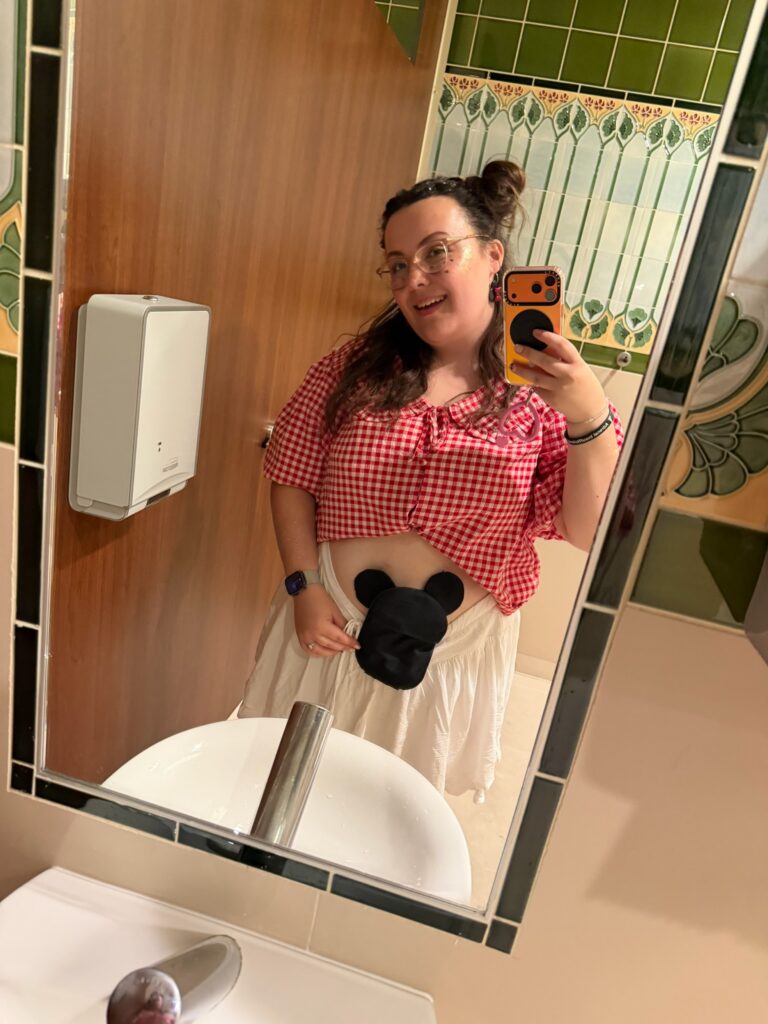
I made a Frozen skirt myself from an Elsa bedsheet, wore Disney T-shirts and even made Mickey-style ears for my stoma bag, which ended up peeking out of some of my outfits. That was one of my favourite little details from the whole trip.
I also chose comfortable shoes I’d already worn before. Sitting in a wheelchair doesn’t magically make uncomfortable shoes comfortable, and Disney isn’t somewhere I’d recommend breaking in an exciting new pair and discovering your feet hate them six hours later.
Layers are helpful because temperatures change throughout the day and moving between sunshine and heavily air-conditioned attractions can feel surprisingly dramatic.
One unexpected logistical issue was fitting glasses, hearing aids and Mickey ears onto my extremely limited ear real estate simultaneously. I haven’t found a workaround for that yet… do you know any?
Don’t forget that your clothes need to work on rides too
Theme-park clothing doesn’t just need to look good in a mirror.
It needs to work while you’re sitting, transferring, getting in and out of ride vehicles and occasionally being tipped at angles you perhaps weren’t expecting.
I prefer clothes with a little stretch that aren’t constantly digging into my body while seated, and I make sure skirts and tops give me enough coverage once I’m moving rather than only when I’m sitting beautifully still in a hotel mirror.
Disney is also not the time I’d personally experiment with clothing or fabrics I already know irritate my stoma or body.Comfort matters, but that doesn’t mean you have to abandon style.
Summer Disneyland Paris packing essentials
SPF is essential for me – I used one designed to provide long-lasting protection so I didn’t have to constantly think about it throughout the day.
I’m personally not a hat person, largely because hats and my sensory system are not friends, and I don’t particularly like sunglasses either. That means I rely heavily on shade, hydration and getting indoors when I need to cool down.
A handheld fan could be useful, and during my summer visit there were places in the parks where misting water provided some very welcome relief from the heat.
Cold drinks are available in the parks, but I’d personally think slightly harder about my hydration setup next time, particularly because fizzy drinks aren’t always ideal for my stoma and can cause my bag to fill with gas.
A light-coloured towel is something I’d also consider taking next time, purely so I could put it over my wheelchair cushion when leaving the chair in direct sunshine while going on an attraction. Nobody warns you about returning from ‘It’s a Small World’ to discover your wheelchair cushion has become a frying pan and you’re wearing shorts!
What I’d pack for Disney rain
We were extremely lucky and didn’t experience much heavy rain, but I still wouldn’t go without some basic protection. We kept lightweight jackets underneath my wheelchair, where they were reasonably protected and immediately available.
Anything particularly important, especially electronics, documents and medical supplies, is better inside something water-resistant where possible rather than sitting vulnerably at the top of an open bag.
If the heavens truly open, Disneyland Paris sells those classic plastic ponchos and there are plenty of shops, covered areas and indoor attractions you can retreat into. A poncho also has the advantage of potentially covering quite a lot of you and your chair at once.
Pack a power bank
Between the Disneyland Paris app, maps, virtual queues, checking attraction times, taking photos and approximately seven thousand unnecessary videos of the Sleeping Beauty Castle, your phone battery is going to have a day of it.
I kept a power bank inside my bag and made sure I had the relevant charging cable available. A long charging cable for the hotel is also surprisingly valuable because sockets have a wonderful habit of being somewhere that makes absolutely no sense in relation to the bed. Don’t forget EU converters too!
Food and drinks require their own strategy
My own food situation at Disney is slightly complicated because I have unusual allergies and I also have to think about what works with my stoma. I can usually find something to eat, but I would always recommend people with dietary requirements research their particular diet rather than relying on a generic “allergy-friendly Disney” guide.
I personally became very attached to the hot dogs on Main Street because I’d found something I could safely eat and actually really enjoyed.
Taking loads of snacks from home isn’t necessarily as straightforward as throwing half your kitchen into the boot of a car either, particularly if you’re travelling internationally and carrying everything on a wheelchair. Check the current French customs rules before travelling with food rather than assuming something you’re allowed to carry domestically can automatically cross a border.
If I had more space next time, I’d probably prioritise a few drinks or hydration options over taking entertainment for the hotel. Also, British teabags for the hotel are an essential.
The important documents I’d take as a disabled traveller
Your passport is quite difficult to negotiate with, so let’s start there. If you’re travelling internationally, check the current entry requirements for France before leaving because passport, visa and border requirements can change.
I’d also have:
- Travel insurance details
- GHIC where applicable
- Hotel booking information
- Transport tickets and booking references
- Current accepted evidence required for your Disneyland Paris Priority Card
- Emergency contacts
- Your medication information
- Relevant allergy information
- A concise medical summary if you have complex conditions
I kept important information on my phone but also had my bilingual English/French medical summary separately with my equipment. My iPhone Medical ID was filled in with important information and emergency contacts too.
The basic rule is that if your entire medical and travel plan disappears the second your phone battery reaches 0%, you probably need a backup.
Make your hotel room a recovery space
Disney is an assault on the body in the loveliest possible way. Whether you’re walking around the parks or using a mobility aid, there is still an enormous amount of movement, transferring, stimulation and physical activity involved.
Your packing list therefore shouldn’t stop at what you need inside Disneyland Paris. Think about what allows your body to recover enough to do another park day tomorrow.
For me, that means comfortable pyjamas, medication, splints and bandages I use for my own joint issues, compression socks, familiar toiletries that won’t irritate my increasingly temperamental body, long charging cables, snacks and something cosy.
A blanket is lovely, although I would also argue that “I need a cosy blanket for disability reasons” is an entirely legitimate excuse for buying an unnecessarily Disney one shortly after arrival.
Don’t try new products for the first time at Disney
This applies to more than medical equipment. If you’re planning elaborate Disney makeup, use products you already know work with your skin rather than discovering on the morning of your first park day that you’re horribly allergic.
I absolutely advocate elaborate makeup looks at Disney. It’s one of the rare places where I can walk around covered in glitter and somehow look comparatively normal. My hypoallergenic body glitter was actually one of the silly little things I was incredibly glad I’d packed. Test things at home first, then go wild.
What did I pack that I absolutely didn’t need?
My scrapbook.
In my head, I was going to return from Disney every evening, get into my pyjamas and beautifully document the day’s adventures in a lovingly curated scrapbook.
What actually happened is that I returned to the hotel absolutely cream-crackered and wanted to lie down. I had neither the time nor the energy to document my day.
I actually showed relatively good restraint elsewhere and used most of what I packed, but I’d definitely avoid bringing multiple hotel entertainment options next time.
An iPad is enough for me because it can become a television, book, sketchbook, entertainment system and general end-of-day decompression device without taking up half a suitcase.
Leave room in your suitcase for Disney shopping
This is essential. There is no shopping like Disneyland Paris shopping. I said what I said.
For my second trip, I left roughly half of one side of my suitcase empty because I knew perfectly well what was going to happen. I also had a list of people I wanted to buy presents for, and filling that space wasn’t remotely difficult.
Disney ears need protecting. Homeware can become bulky. Soft toys apparently expand the second you’ve committed to buying them, and the Disney Home shop is particularly dangerous because it introduces you to the possibility of returning to England carrying crockery on the Eurostar.
If you’re driving, congratulations, you’ve won Disney shopping. If you’re flying or travelling by train, be realistic about how much you can physically transport home.
One useful trick is taking consumable things with you. Toiletries, snacks and other items that disappear during the holiday naturally create a little extra room for the journey back.
How uncomfortable you’re willing to make yourself on the return journey in pursuit of Disney merchandise is ultimately between you and your conscience.
Sensory aids are worth packing even if you’re not sure you’ll need them
We took Loop earplugs with us in case the parks became particularly noisy. I managed well with my hearing aids during most of the trip, but the Loops became useful during some parades and entertainment where reducing the extra background noise made things easier. I’d pack sensory aids even if you don’t necessarily expect to use them.
Earplugs, ear defenders, familiar fabrics, fidgets, comfortable clothes or whatever else helps regulate you take up relatively little room compared with the difference they can make if suddenly everything becomes too much.
Disneyland Paris somehow works incredibly well for my autistic brain, but that doesn’t mean there aren’t moments when thousands of people, music, parades, heat and excitement all combine into rather a lot of input. Having options is useful.
My ultimate disabled Disneyland Paris packing checklist
Medical and disability essentials
- Regular prescribed medication
- Appropriate spare medication and supplies based on your own medical team’s advice
- Emergency medication relevant to you
- Stoma supplies if required
- EpiPens or other prescribed emergency equipment
- Electrolytes if they’re part of your usual management
- Spare clothing
- Medical summary
- Emergency contacts
- GHIC where relevant
- Travel insurance details
- Accepted Priority Card evidence
- Any splints, braces, compression garments or supports you use
Mobility equipment
- Pre-holiday wheelchair or mobility-aid MOT
- Powered add-on service where required
- Wheelchair or mobility-device charger
- EU adaptor
- Relevant tools or Allen keys
- Pump, spare inner tube or puncture equipment if your tyres require them
- Cushion
- Lightweight rain protection
- Wheelchair bag or pouch
- Cup holder
- Phone holder
- LapStacker or other carrying aids
- Wet wipes for cleaning your equipment
- Power bank
Disney park bag
- Phone
- Charging cable
- Power bank
- Priority Card
- PhotoPass if using one
- Lanyard
- Small emergency medical kit
- Small stoma kit if required
- Drink or refillable cup
- Relevant snacks
- Lightweight jacket
- Spare clothing if needed
- Sensory aids
- SPF
Hotel recovery kit
- Comfortable pyjamas
- Familiar toiletries
- Compression garments or supports
- Regular pain-management equipment
- Long charging cable
- Snacks
- iPad, Kindle or book
- Fluffy socks
- Skincare
- British tea bags, this remains mandatory
Disney fun
- Mickey ears
- Disney outfits
- Comfortable shoes
- Makeup you already know your skin tolerates
- Hypoallergenic glitter
- Space in your suitcase for the inevitable merchandise
Your disabled Disney suitcase is allowed to look different
If your Disneyland Paris suitcase looks completely different from somebody else’s, that’s okay.
Mine contains emergency medication, stoma supplies, mobility-aid chargers, Allen keys and a bilingual medical document alongside Mickey ears, homemade Disney clothes and body glitter. It’s not exactly the minimalist Pinterest flat lay. But it’s mine.
Disabled lives can be full of medical equipment, appointments, planning and all the other practical things we’d probably rather not think about, while still being whimsical, ridiculous, colourful and full of things that make us happy.
Accessibility doesn’t necessarily mean that an experience perfectly fits our bodies straight out of the box. Sometimes accessibility is having the information, support, equipment and adjustments available that allow us to make that experience work for us.
So don’t forget to leave room for the fun stuff too. You deserve the whimsical,magical Disney holiday, not just the practical one.
Read more about accessible Disneyland Paris
Planning your own Disney trip? I’ve also written:
- Disneyland Paris Accessibility as a Disabled Visitor: What I Wish I’d Known Before I Went
- Disneyland Paris Priority Card: What I’ve Learnt Using It Twice as a Disabled Visitor
Some product links in this article may be affiliate links. If you buy something through one of those links, I may receive a small commission at no additional cost to you. I only recommend products I’ve genuinely used or found useful.