 Skip to content
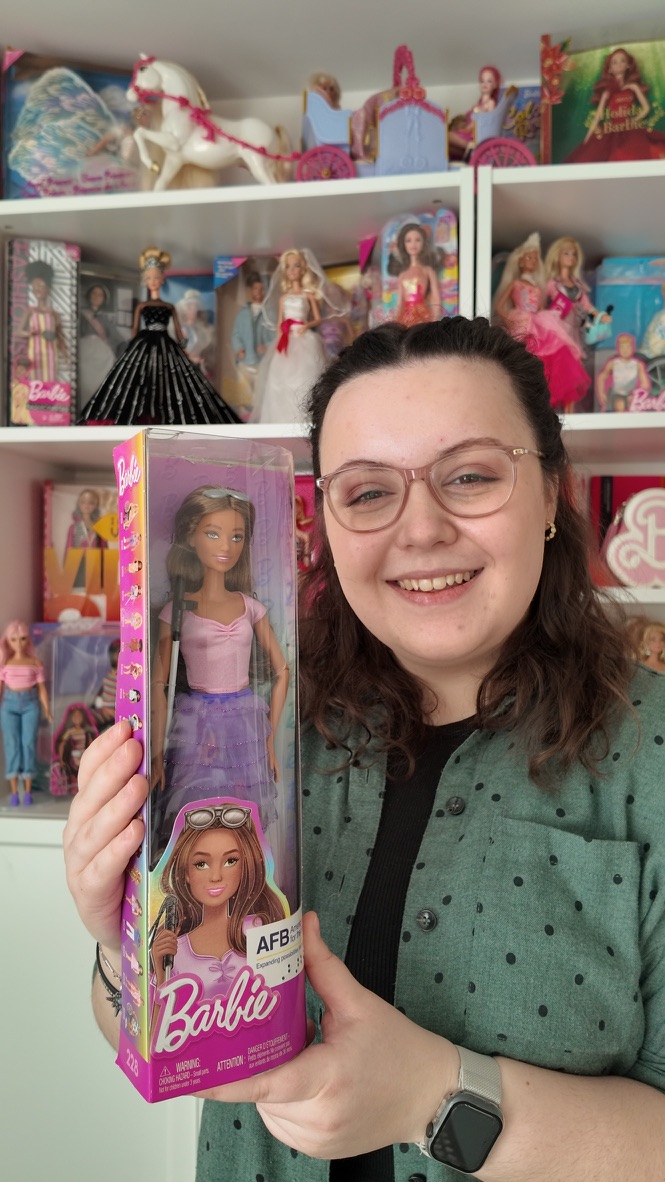
I’ve been a Barbie girl for as long as I can remember. Back in the good ol’ days, when my parents would take me into Woolworths, and I’d stare excitedly at the wall of Barbies in front of me, in beautiful pink packaging.
Growing up, Barbie wasn’t just a toy. She was a doctor, an newsreporter, a teacher, a vet, a businesswoman, a mermaid, a princess and an adventurer. Through Barbie, I could imagine endless possibilities. Like so many children, I used Barbie dolls to tell stories, build worlds and imagine the future. Once, I threw a Barbie wedding so large, it took over my bedroom floor and was about 3 days long!
That love for Barbie never disappeared.
Today, I own more than 100 Barbie dolls that I’ve collected throughout my life, many part of the original collection. They sit proudly in my home and each one reminds me of why Barbie has remained such an important brand for generations.
What makes Barbie special isn’t just the dolls herself. It’s what she represents.
For decades, Barbie has helped children imagine who they might become. Let’s not forget the tagline ‘you can be anything’. She has shown girls that they can pursue different careers, have different interests and create their own path in life. As the brand has evolved, Barbie has also become more representative of the diverse world we live in.
We’ve seen dolls with wheelchairs, hearing aids, prosthetic limbs and a wide range of body shapes, skin tones and backgrounds. These additions matter because they help children see themselves reflected in the toys they love.
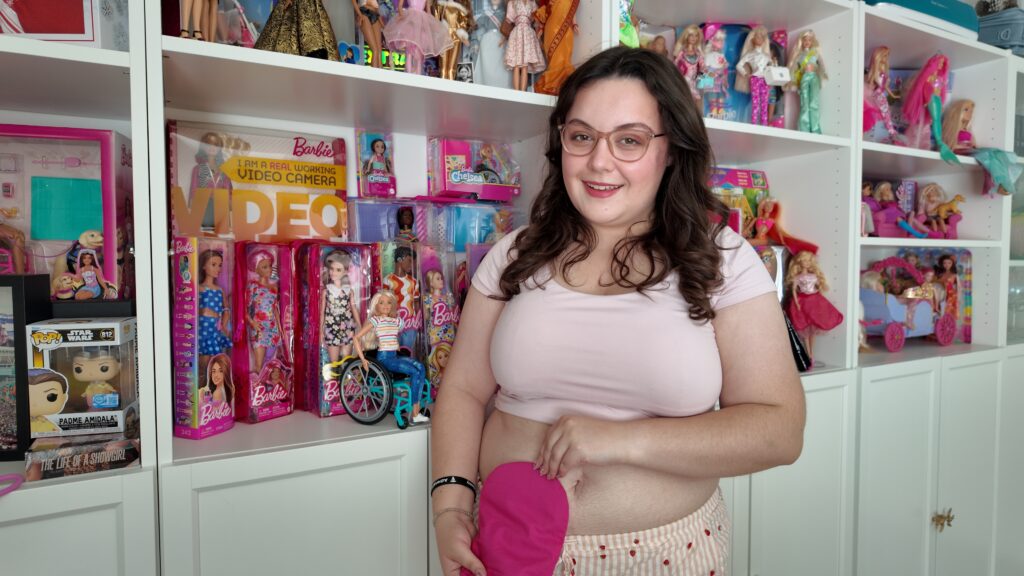
Representation in toys is about far more than appearance, its is about fitting in.
Children begin learning about themselves and the world around them from an incredibly young age. The toys they play with help shape that understanding. When children can see themselves reflected in those toys, it sends a powerful message that they are valued, included and worthy of being seen.
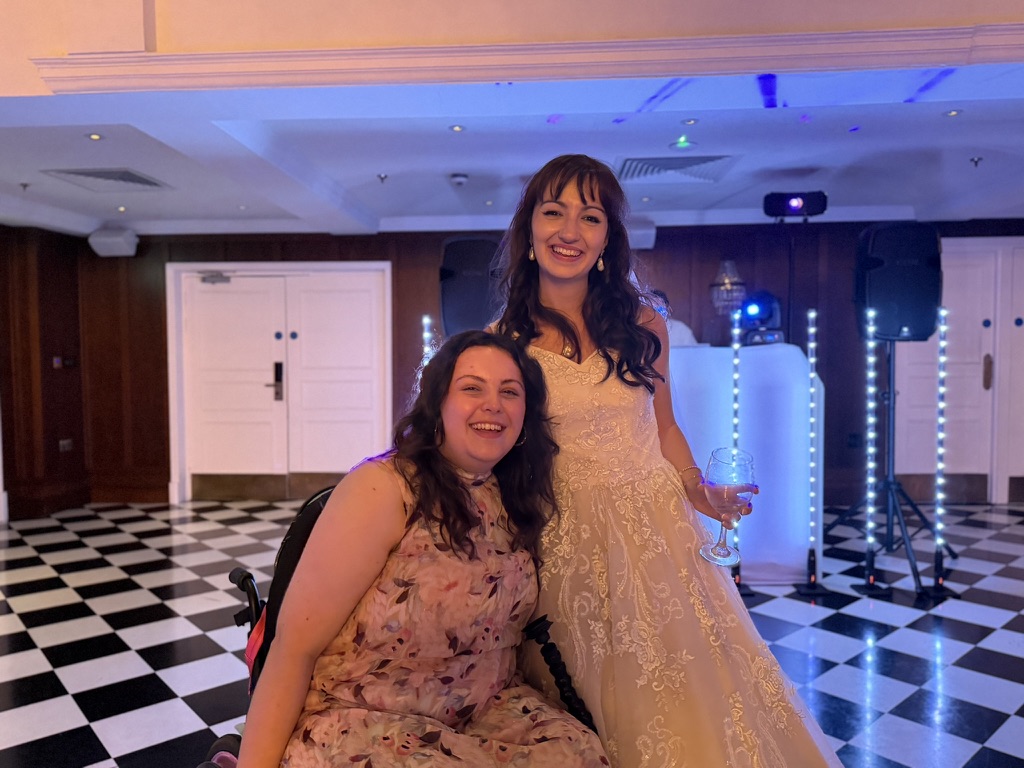
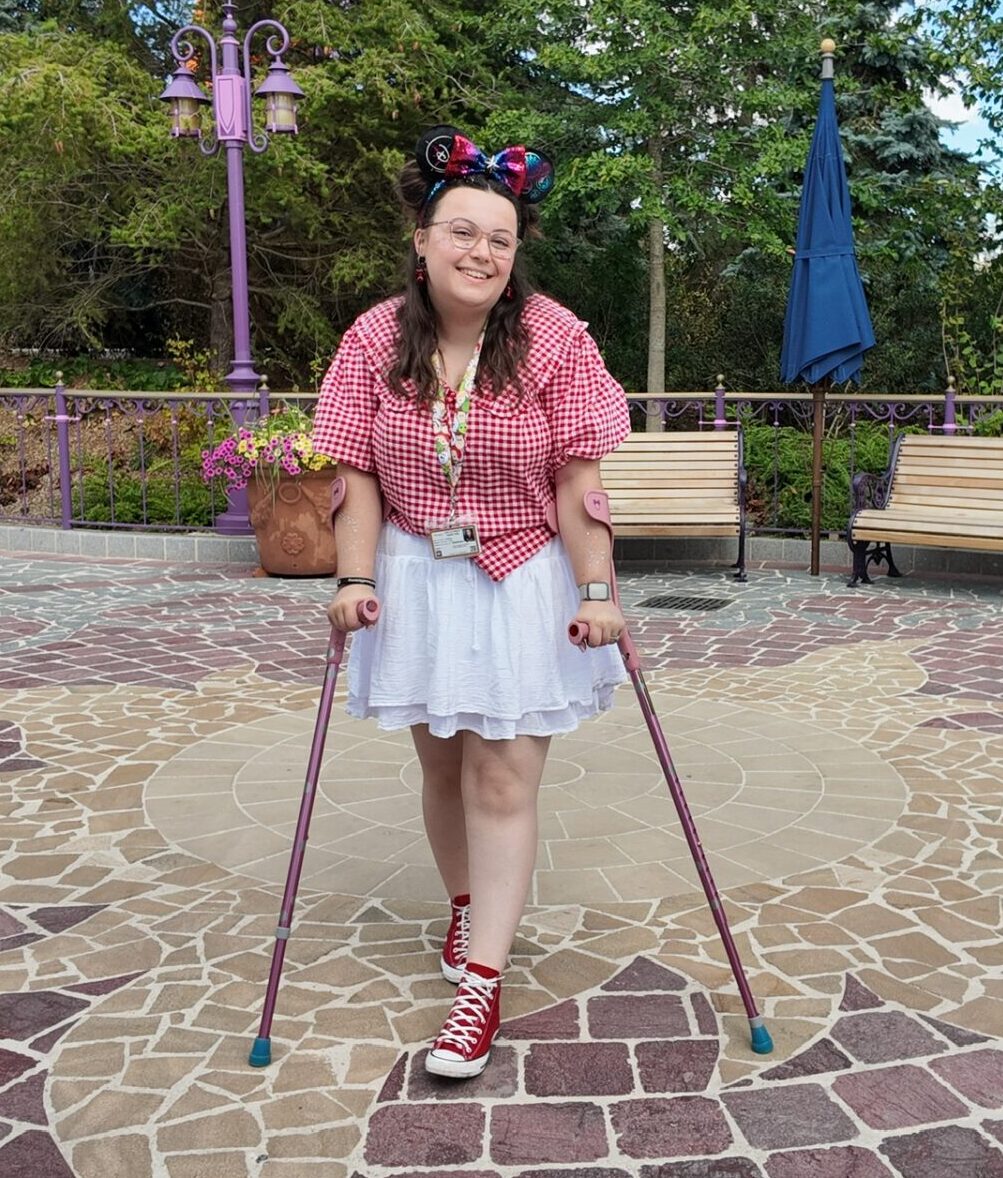
As a disabled child, I often found myself looking for pieces of myself in the dolls I played with. I wanted to see stories that felt familiar and dolls that experienced the world in ways that I did.
There’s been huge progress in launching these inclusive dolls and I’m proud to say that I have collected a lot of them – but one key doll is still missing – Barbie with a stoma.
People like me can end up with stomas for lots of different reasons – Cancer, Crohns or Colitis are very common – and they can be provided under emergency surgical conditions, as mine was. This means I didn’t have a lot of time, due to my bowel perforating to get it and I had to have a large cut on my abdomen, to which I now have a scar. The stoma itself is a section of your intestine that is brought through your stomach wall, allowing waste to exit the body and bypassing the lower digestive system. For many people like me, it is life-saving and restores independence, health and quality of life.
Yet despite the fact that millions of people around the world live with a stoma, it remains something that is rarely represented in toys, media or pop culture.
In the last few years, other toy brands have made great progress with visibility, such as Lego, who introduced the LEGO Friends Heartlake City Water Park set, which featured a character with a stoma in 2024. However, it’s largely slow going.
Many people have never seen a stoma bag. Many still don’t know what a stoma is. Because of that, myths, misconceptions and stigma persist.
That is why I would love to see Mattel consider creating a Barbie with a stoma.
Not because every medical condition needs its own doll. Not because children with stomas need to be defined by their medical experiences. But because they deserve the same opportunity for representation as everyone else and the other dolls in the range.
For a child living with a stoma, seeing a Barbie that reflects part of their own experience could be incredibly meaningful. It could help them feel seen during a time when they may feel different from their peers. It could spark conversations with friends and family. Most importantly, it could remind them that having a stoma does not stop them from being confident, adventurous, successful or loved.
Think about how useful this could also be for play specialists, play-workers and people helping these children adjust to their new normal.
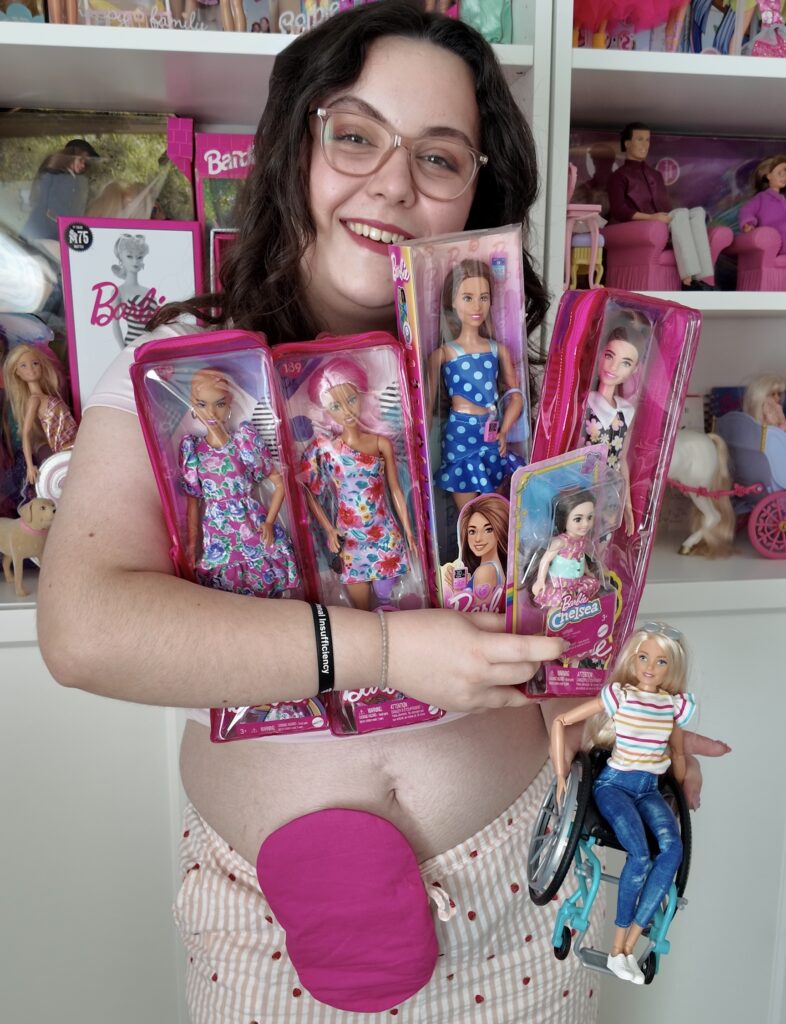
Representation also benefits children who don’t have a stoma.
When children regularly see dolls with disabilities, medical devices and different lived experiences, those differences become normalised. Curiosity replaces awkwardness and understanding replaces assumptions.
That is one of the reasons I admire the direction Barbie has taken in recent years. The brand has recognised that children deserve toys that better reflect the world around them and help to get rid of stigmas. For me, a Barbie with a stoma would be a continuation of that journey.
As someone who grew up loving Barbie, and who still proudly collects Barbie dolls today, I know how powerful representation can be. I know what it feels like to search for pieces of yourself in the stories and toys you love.
My hope is that future generations of children with stomas won’t have to search quite so hard, because everyone deserves to feel seen no matter their age and every child deserves to know that there is a place for them in the story.