 Skip to content

Anyone who knows me knows that I am a massive teabag. A good cup of tea fixes at least 14% of life’s problems, particularly when it’s served in the correct mug, and I have amassed enough mugs over the years that choosing which one I’m going to use has become part of my morning routine. Does drinking my tea from a different mug have any measurable impact on my chronic illnesses? Absolutely not. For my mental health, however, I would argue the impact is enormous.
I think that probably sums up my general philosophy towards romanticising life while being disabled. I’m not pretending chronic illness is glamorous, I’m not trying to convince myself that hospital appointments are magical. I’m certainly not sprinkling glitter over genuinely difficult experiences and calling them character development. I’ve just reached a point where I think that if this is the life and body I’ve got to work with, I might as well put some fairy lights around it.
Romanticising my life isn’t the same as romanticising my disability
There is an important distinction here because I don’t want anyone reading this to think I’m suggesting we simply put on some nice pyjamas and suddenly the difficult parts of disability disappear. Chronic illness can be painful, frightening, isolating, expensive and, frankly, incredibly boring. There are plenty of medical complications I would happily live without and plenty of experiences I would never choose to repeat.
What I don’t want, though, is for those difficult things to become the only parts of my life I’m allowed to notice. Romanticising everyday life, to me, is about deliberately finding little pieces of joy and softness inside a reality that can simultaneously be incredibly hard. I’m allowed to hate being ill and love my life. I’m allowed to have a terrible morning and still enjoy a lovely cup of tea that afternoon. They don’t cancel one another out.
If you’re going to be stuck in bed, make the bed nice
There have been plenty of days where my accessible world has essentially consisted of my bed, bedroom and whatever I can reach without upsetting my body further. If that’s where I’m going to spend several hours, I don’t see the benefit in making the environment around me miserable too.
Give me nice bedding, fluffy blankets, fairy lights, comfortable pyjamas and a cup of tea in whichever mug has won that day’s extremely competitive selection process. If my bed is temporarily going to become my recovery room, cinema, office, restaurant and entire social venue, then I’m going to make it somewhere that feels comforting to be.
That’s not me pretending that spending the day ill in bed is some sort of aspirational lifestyle. I’d generally rather have enough energy to be out doing something, but making the situation softer doesn’t mean I’ve somehow failed to acknowledge that it’s difficult. Sometimes comfort is simply another form of adaptation and you deserve to like the space you’re in.
My bad-day uniform still needs to feel like me
Clothing has always affected how I feel about myself, so even on the days where my body has very little to give, I still like to wear something that makes me feel vaguely put together. Usually that’s leggings and a Disney hoodie, although I’m also very partial to a comfortable pair of dungarees because they somehow sit perfectly between “I have made an effort” and “please don’t ask too much of me today”.
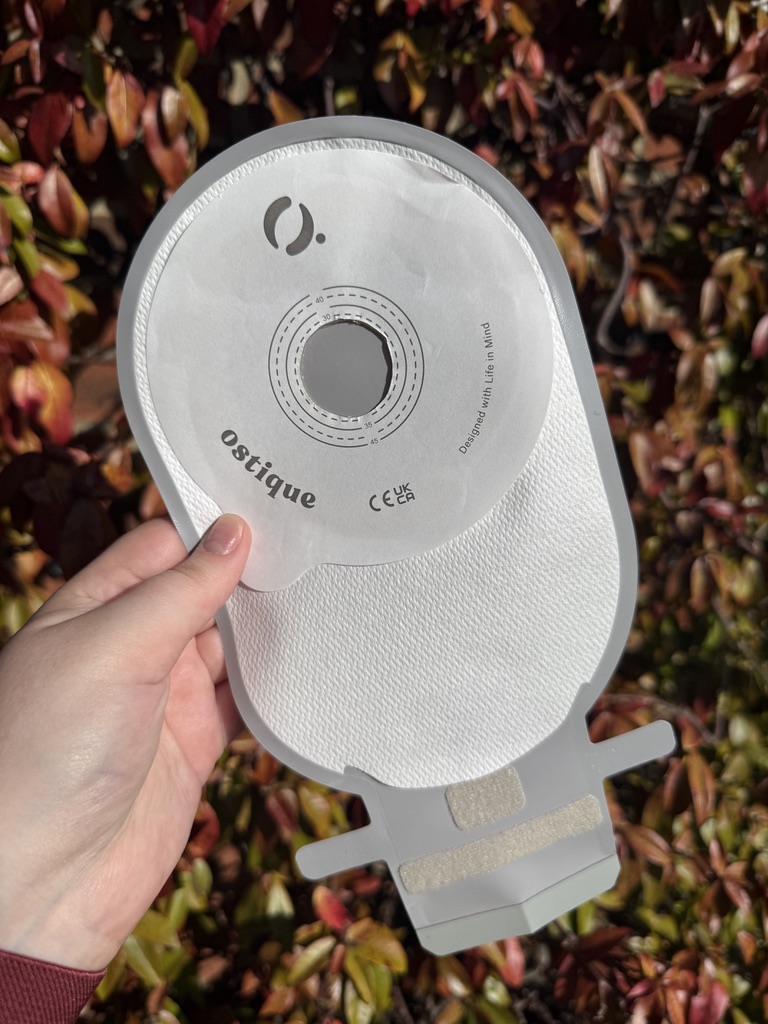
I love fashion and styling myself, and disability hasn’t changed that. It’s simply changed some of the practical things I consider when choosing an outfit. There are days where comfort absolutely wins because waistbands, stoma bags, pain and fatigue all have opinions, but comfortable clothes don’t have to strip away your personality. Comfort doesn’t have to mean beige.
Make the boring things slightly more ridiculous
This is probably one of my favourite ways to make ordinary days feel better. If I’m making food, why can’t it be shaped like something fun? Why can’t there be sprinkles? Why can’t the drink have a silly straw or arrive in a glass that is considerably more elaborate than the occasion requires?
I’m a huge believer in making ordinary things just a little more whimsical because so much of chronic illness is incredibly mundane. Adding something lovely alongside those things doesn’t make them disappear, but sometimes it turns “I’m stuck at home again” into “Apparently we’re having a themed afternoon”.
Is it curing my issues? Definitely not – but it’s making me smile and that’s important.
I surround myself with reminders that my life has contained good things
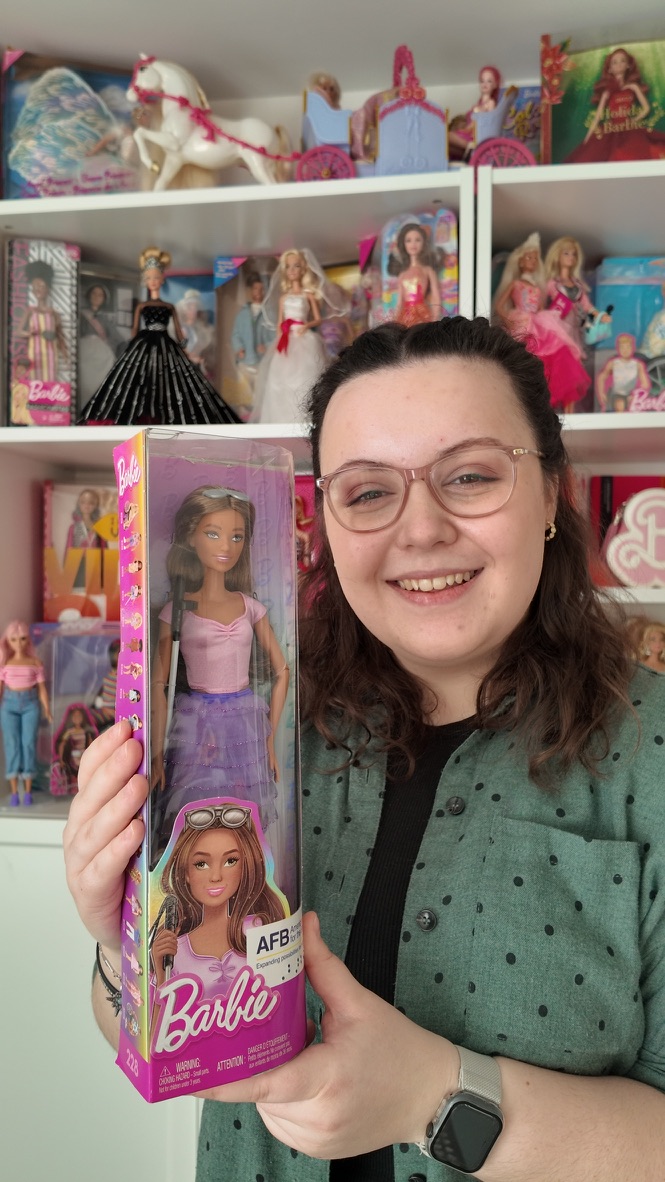
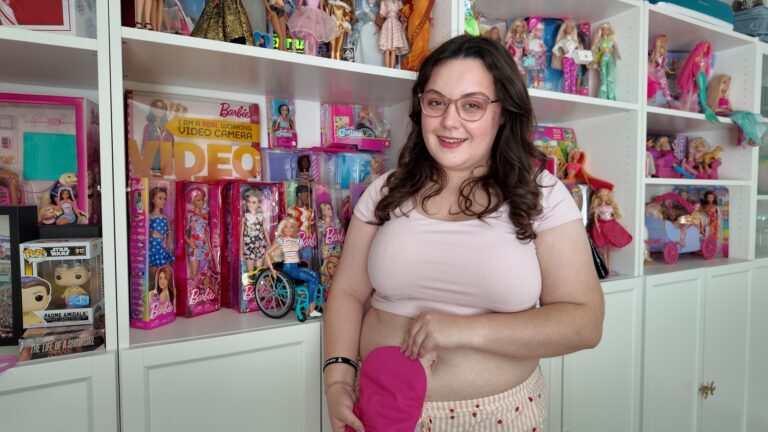
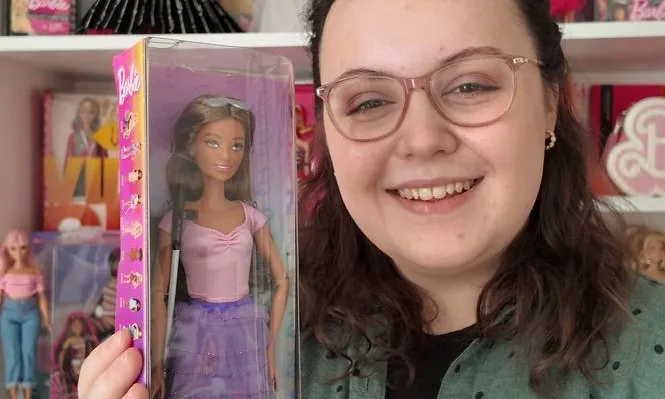
My house is full of things I love. There are Barbies, Disney collection, fairy lights, mugs, decorative objects and things I’ve brought home from places where I’ve made lovely memories, and I don’t really believe any of it is pointless clutter because so much of it reminds me of something.
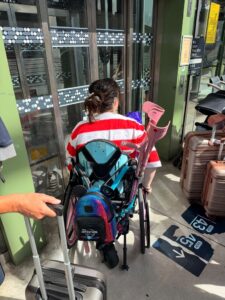
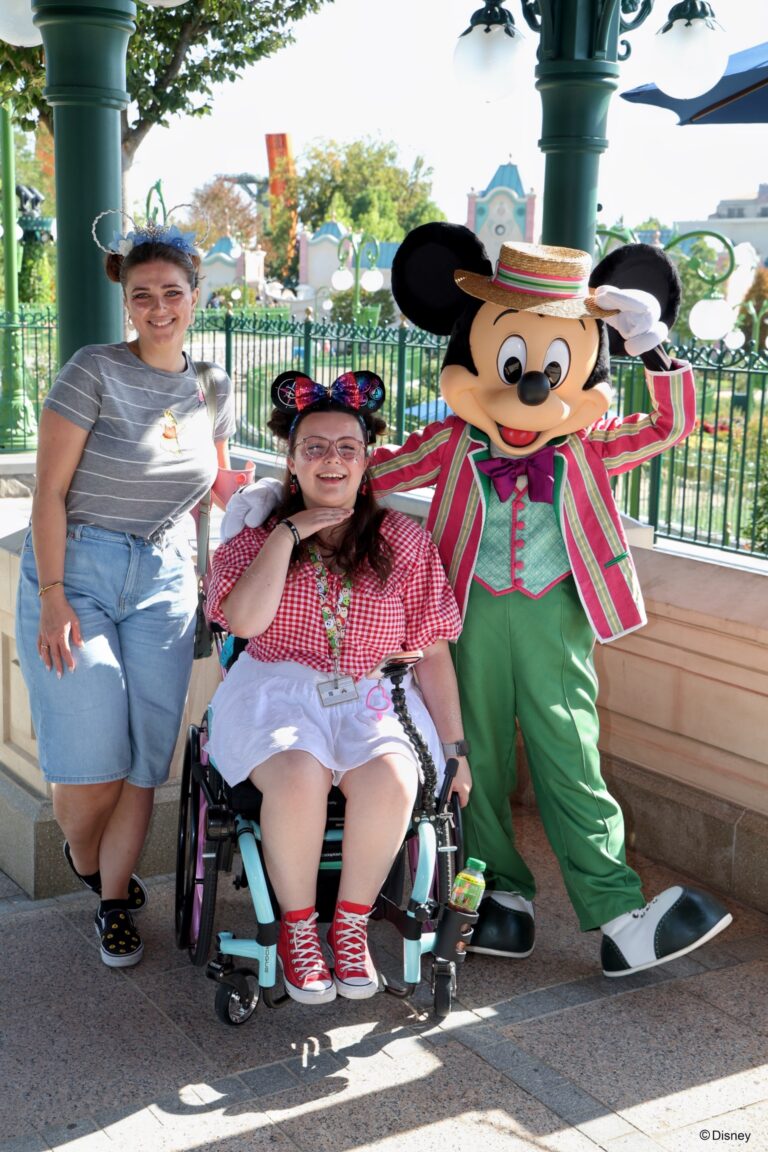
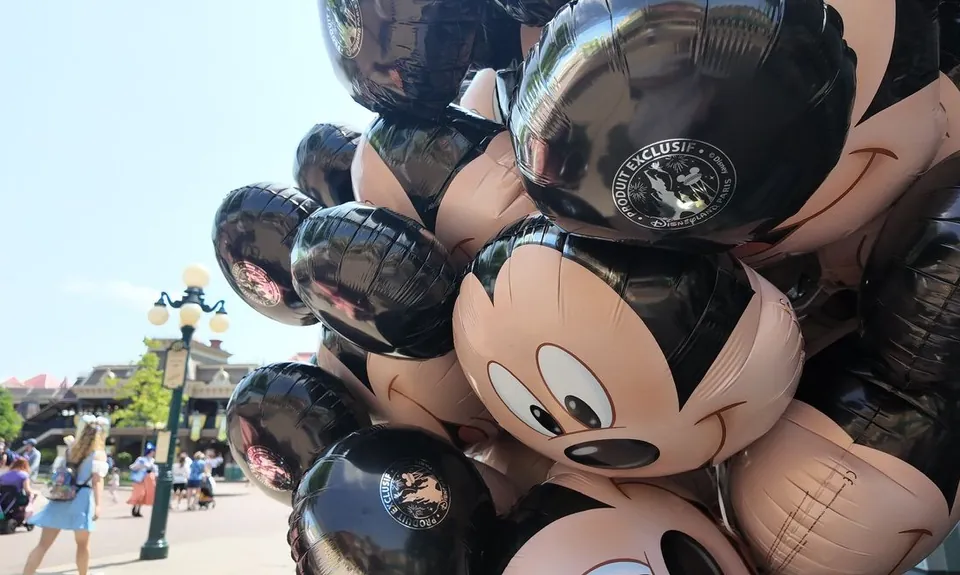
On a difficult day, I can look at something from Disneyland Paris and remember that I’ve been there. I’ve travelled across Europe with a wheelchair and a stoma. I’ve laughed with my friends, met princesses, gone on rides and spent an entirely unreasonable amount of money in Disney shops. A difficult Tuesday doesn’t undo those experiences.
Sometimes chronic illness makes your current world feel incredibly small, particularly when you’re stuck at home watching everybody else go about their lives. Having physical reminders that my life has been bigger than today and will probably be bigger again can genuinely help.
Decorate the mobility aid if you want to
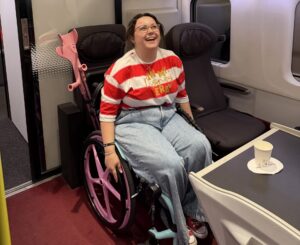
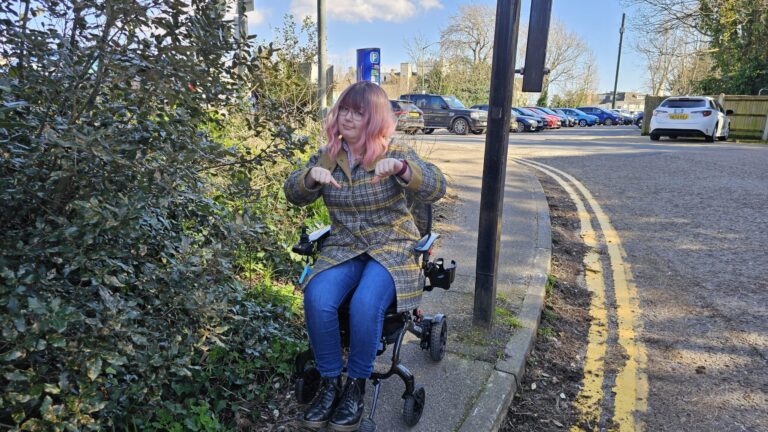
My wheelchair is, first and foremost, an essential piece of mobility equipment, but it’s also something attached to my body that appears in photographs, outfits, social events, work and huge parts of my day-to-day life. I’ve never really understood why that means it has to remain purely clinical.
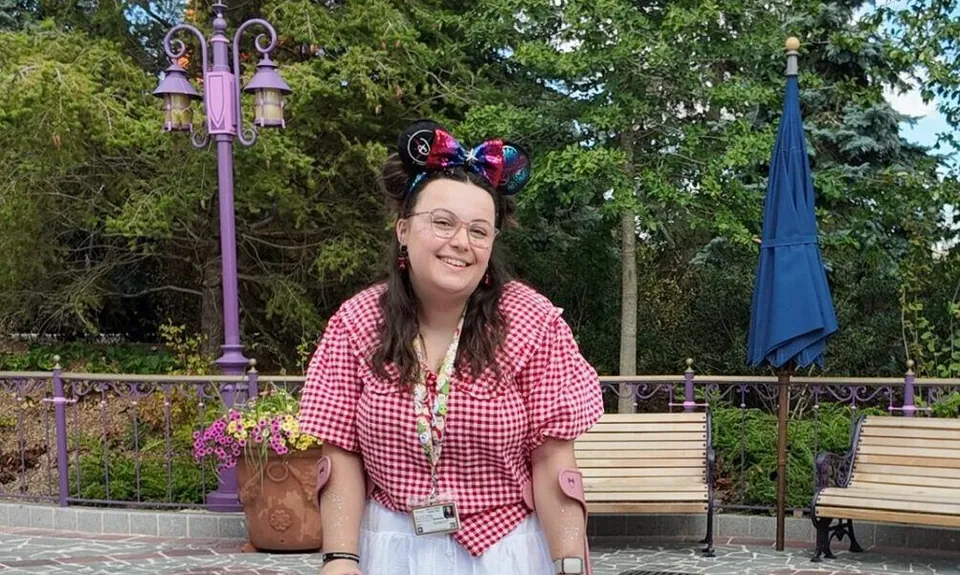
I like all aspects of me, from my stoma to my chair to reflect my personality and show that if you’re going to have something that will make people stare, it might as well be cool!
Turn the preparation into part of the experience
I’ve realised over the years that I genuinely love preparing for things – I’m probably very type A.
Before my most recent Disneyland Paris trip, I made accessories, decorated my wheelchair, planned outfits and created little projects around the build-up because doing those things extended the excitement far beyond the few days we were actually away.
I think there’s something particularly lovely about deliberate preparation when you’re disabled because so many things happen to our bodies without much permission. Planning something joyful is completely different because I get to decide.
I decide what I’m wearing, what I’m creating, what the colour scheme is and, crucially, how much glitter is acceptable. The answer is normally more.
Hospital days are still allowed to contain something nice
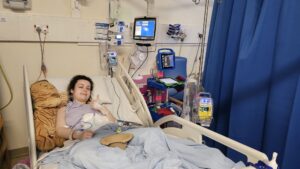
Hospital is never going to be what I class as a ‘fun day out’, but if I have to be there anyway, I’ll make the parts I can control slightly easier on myself. I’ll wear something comfortable that I like, I’ll bring my headphones, I’ll get a decent drink if I’m allowed one.
If I have preparation to do before an appointment and the instructions allow me to move around normally, I might do part of it somewhere that feels nicer than staring at my bedroom wall. Sometimes romanticising life is not letting an appointment own your entire day.
Joy doesn’t invalidate struggle
Something I dislike about how disability is presented online is that we often seem to be offered two character roles. You’re either the brave inspirational disabled person having an AMAZING life despite everything, or you’re presented as tragically suffering and apparently incapable of experiencing a nice afternoon ever again.
I’m not interested in playing into either role. Balance in all things.
Notice the little things
I’ve tried to become better at noticing tiny good things in every given day.
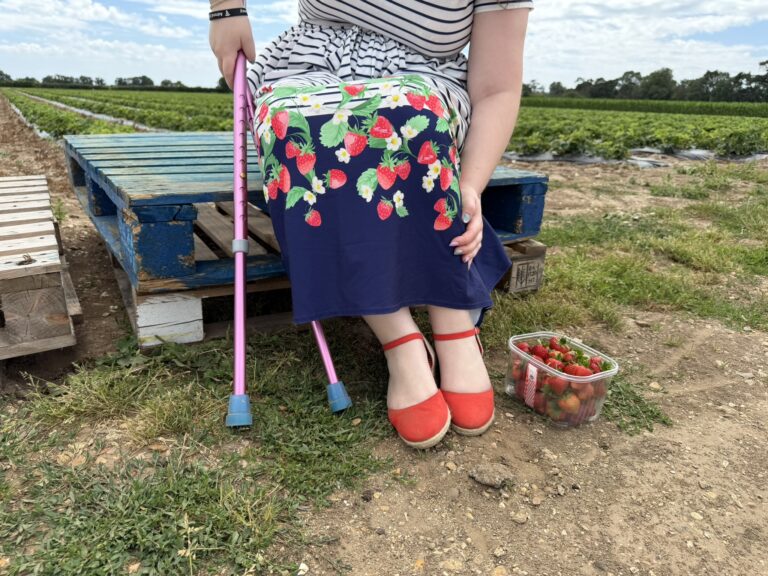
Sometimes it’s simply noticing that today’s cup of tea is exceptionally good. It might be appreciating the light coming through the window, laughing at a friend’s voice note, realising your pyjamas are wonderfully soft, managing to have a shower on a day where things felt especially difficult, or appreciating nature.
These things don’t need to become profound lessons. Small pleasures are not consolation prizes for people whose lives didn’t go according to plan. They’re still pleasures.
More whimsy, please
The older I’ve got, and frankly the more health problems I’ve collected like some sort of deeply unwanted Pokémon game, the more determined I’ve become not to let medicine dictate the aesthetic of my entire life.
Yes, there are stoma supplies in my bathroom, but there are also Disney ears in my bedroom. There are mobility aids in my lounge alongside Barbies and fairy lights. My handbag contains medication, emergency medical information and potentially enough supplies to deal with a minor crisis, but there is also an entirely reasonable chance that you’ll find body glitter in there.
That’s my life.
Medical equipment and lipstick. Practicality and ridiculousness. Pain, fatigue and some genuinely lovely afternoons all existing alongside each other.
Romanticising disabled life isn’t about pretending everything is okay. It’s about deciding that the difficult things don’t automatically get ownership of the whole story.
So if today’s world only stretches as far as your sofa, put on the nice pyjamas. Make the cup of tea. Choose your favourite mug even though choosing a mug is objectively not an important decision. Put the fairy lights on when it’s still far too early to need them, watch the comfort film, add sprinkles to something that absolutely didn’t require sprinkles and allow yourself to enjoy whatever tiny pieces of the day are available.
We have enough medical equipment. I think we deserve more whimsy.